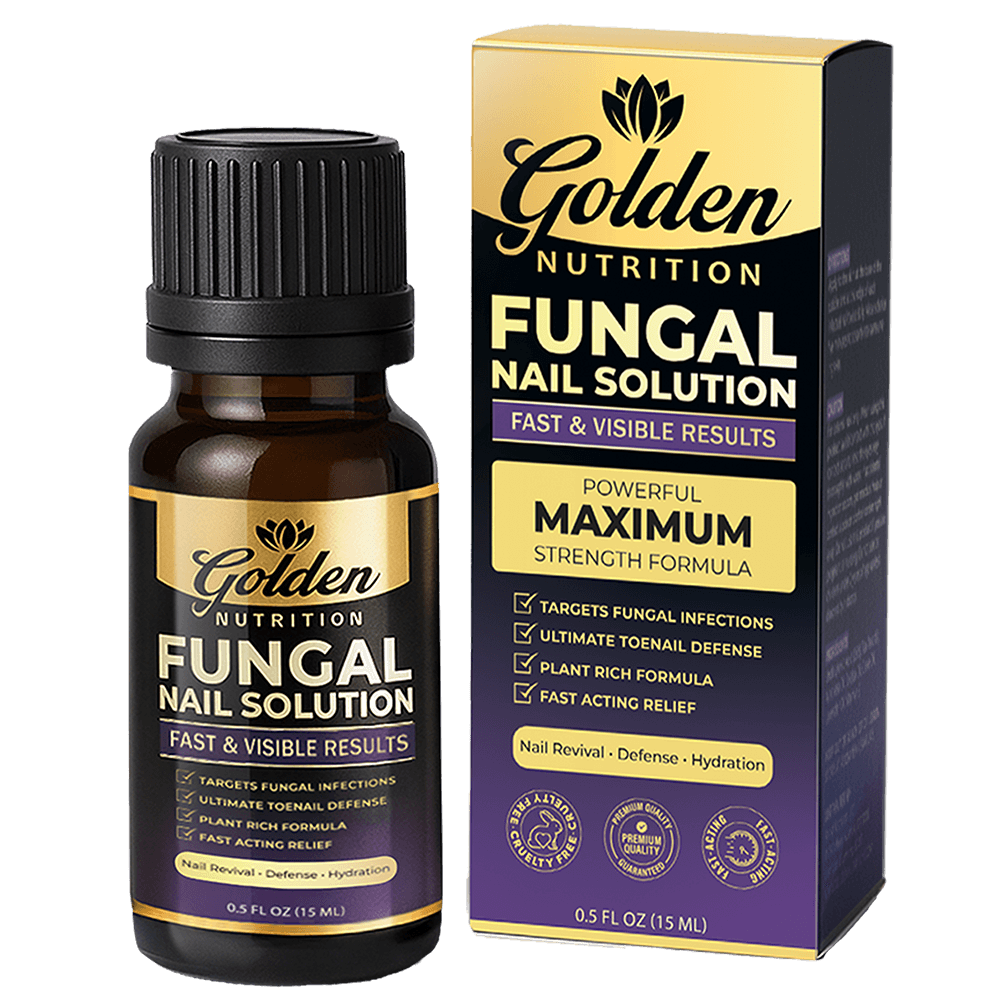
Nail and Toenail Fungal Solutions: A Complete Guide
A practical, everyday guide to understanding nail fungus, who
experiences it, and how a fungal nail solution can fit
into a clean, consistent nail-care routine.
What Is Nail Fungus?
Nail fungus (commonly called
onychomycosis) refers to a fungal infection that affects the
fingernails or toenails. It often begins as a small change in the
nail’s appearance and may gradually become more noticeable over time.
Typical nail changes associated with fungus can include:
- Yellow, brown, or white discoloration of part of the nail
- Thickening of the nail plate
- Brittle, crumbly, or rough nail edges
- Nails lifting slightly from the nail bed
- Uneven surface or distorted nail shape
These changes can affect both fingernails and
especially toenails, which spend more time in warm,
moist environments inside socks and shoes.
What Is a Fungal Nail / Toenail Solution?
A fungal nail solution or
toenail fungal solution is a topical liquid, serum, or
oil-based product that is applied directly to the nail surface and
surrounding skin. It is meant to support:
- A cleaner-looking nail surface
- A healthier-looking nail appearance over time
-
A nail environment that is less favorable for fungus-related issues
These products are typically part of a broader
nail-care routine. They are not a replacement for
professional medical advice or medical therapies, but many people use
them as a cosmetic and hygiene-focused step.
Important: Nail fungal solutions are usually cosmetic
or over-the-counter care products. They are not a substitute for
diagnosis, medical evaluation, or professional treatment options
recommended by a healthcare provider.
Who Commonly Experiences Nail Fungus?
Anyone can notice fungus-related changes in their nails, but certain
groups are more likely to experience these issues in their
nails and toenails:
- People who wear closed, non-breathable shoes for long hours
- Individuals who sweat heavily in their feet
-
Those who walk barefoot in shared areas (gyms, pools, locker rooms)
- Older adults, whose nails may grow more slowly and be more fragile
- People with a history of athlete’s foot or other fungal skin issues
- Anyone with small nail injuries or cracks where moisture can collect
Because toenails often stay covered, warm, and slightly damp,
toenail fungus is more common than fingernail fungus.
That’s why many people look specifically for a
toenail fungal solution as part of their foot-care
routine.
How Does a Fungal Nail Solution Fit Into a Routine?
A fungal nail or toenail solution is usually used as one step in a daily
or twice-daily routine focused on keeping the nails and surrounding skin
clean, dry, and well-groomed. A typical cosmetic routine
may look like this:
-
Clean & dry: Gently wash feet or hands with mild
soap, rinse, and dry thoroughly, especially between the toes.
-
Trim & file carefully: Clip nails straight across
and file thick or rough areas slowly and gently.
-
Apply solution: Brush or drop the fungal nail
solution onto the nail plate, edges, cuticle area, and nearby skin
according to the product directions.
-
Let it absorb: Allow the solution to dry completely
before putting on socks or shoes, so it can form a thin, even layer.
-
Supportive habits: Rotate shoes, wear breathable
socks, and change out of damp footwear as soon as possible.
The goal of this kind of routine is to support nails that look
cleaner, smoother, and more even over time, and to care
for the surrounding skin so it stays in better condition.
Common Ingredients in Nail and Toenail Fungal Solutions
Different brands use different ingredient blends. Some of the more
common components found in nail and toenail fungal solutions include:
-
Undecylenic acid: A widely used ingredient in many
nail-care products designed for fungus-prone nails. Often used to
support a cleaner nail surface and a less hospitable environment for
unwanted organisms.
-
Tea tree oil: A plant-derived oil frequently included
in foot and nail products for its refreshing, clarifying feel.
-
Aloe vera: Used to comfort and hydrate the skin around
nails, helping reduce dryness and roughness.
-
Vitamin E: Commonly used as a conditioning agent to
support the look and feel of nails and cuticles.
-
Jojoba, coconut, or other plant oils: Help soften the
area around the nail and improve overall cosmetic appearance.
-
Lavender, clove, or oregano oil: Often used in small
amounts to complement the overall formula and provide a pleasant scent.
Not every product will contain all of these ingredients. Many formulas
combine an active focus ingredient with hydrating and soothing
components so the nail area looks and feels better with steady use.
Who Might Consider Using a Fungal Nail Solution?
A nail or toenail fungal solution may be considered by people who:
- Notice discoloration, roughness, or thickening in one or more nails
-
Want their toenails to look more even, smooth, and
presentable in open shoes
-
Prefer an at-home, appearance-focused routine alongside good foot
hygiene
-
Are between medical visits and want to support the cosmetic side of
their nail care while following their provider’s guidance
Anyone with underlying health conditions, pain, or rapidly worsening
nail changes should check with a doctor, dermatologist, or podiatrist
for a proper evaluation before starting any new regimen.
What Results Do People Typically Look For?
With consistent nail and toenail care, people usually hope for:
- Nails that look less yellow or discolored
-
A smoother surface, with fewer rough or crumbly edges
- Less visible thickening over time
- Improved confidence when showing bare feet or hands
The time it takes to see cosmetic changes can vary widely because nails
grow slowly. Toenails, in particular, can require many months to fully
grow out from base to tip, even when the nail-care routine is
consistent.
How to Choose a Fungal Nail or Toenail Solution
When comparing different products, many people consider:
-
Ingredient profile: Does the product contain well-known
nail-care ingredients such as undecylenic acid, tea tree oil, or
hydrating oils and vitamins?
-
Application style: Brush-on liquids, pens, and droppers
all exist. It’s helpful to choose one that feels easy to use every day.
-
Texture & scent: Low-odor, quick-dry solutions tend
to be easier to use under socks and shoes.
-
Frequency of use: Check the recommended routine—once
daily, twice daily, or as directed on the label.
-
Skin sensitivity: Those with sensitive skin may prefer
gentler, fragrance-aware formulas and should patch-test new products on
a small area first.
Everyday Habits That Support Nail and Toenail Health
A fungal nail solution works best as part of an overall nail-care
approach. Helpful everyday habits may include:
- Wearing breathable socks and rotating shoes so they can dry between uses
- Changing out of damp shoes and socks quickly after exercise or long days
- Keeping nails trimmed straight across and not too long
- Cleaning nail clippers and files regularly
- Avoiding sharing nail tools or footwear with others
- Using shower shoes or sandals in gyms and public locker rooms
These simple steps help create a nail environment that is cleaner and
less favorable for fungus-related issues.
When to See a Doctor or Specialist
While a nail or toenail fungal solution can be part of a cosmetic and
hygiene routine, there are times when professional guidance is very
important. Consider talking with a healthcare provider if:
- Nail changes are spreading quickly or affecting many nails
- There is pain, bleeding, or significant swelling around the nail
- The skin around the nail is very red, warm, or tender
- You have diabetes, circulation issues, or other chronic health concerns
- At-home care does not seem to make any difference over time
A doctor, dermatologist, or podiatrist can examine the nail, determine
what is going on, and discuss options that fit your health situation.
At-home products should be seen as a supportive step, not a replacement
for professional care.
Common Myths About Nail Fungus and Fungal Solutions
Myth 1: Only older people get nail fungus
It is true that nail fungus is more common with age, but younger adults
and even teens can experience it, especially if they play sports, wear
tight shoes, or use shared showers.
Myth 2: A single application is enough
Nails grow slowly, and fungus-related nail changes typically take time
to improve. Whether you use a fungal nail solution or another approach,
consistency over weeks and months is usually much more
important than any one-time step.
Myth 3: Cosmetic products can replace medical advice
Cosmetic and over-the-counter nail solutions are designed to support
appearance and hygiene. They are not meant to replace professional
evaluation, diagnosis, or medical care when needed.
Key Takeaways
-
Nail and toenail fungus often show up as discoloration,
thickening, and changes in nail texture.
-
A fungal nail solution is a topical product used to
support a cleaner, healthier-looking nail environment and improve the
appearance of fungus-prone nails over time.
-
These products are most useful when combined with good hygiene, smart
grooming, and everyday foot-care habits.
-
People with pain, rapid changes, or underlying medical conditions
should always seek advice from a healthcare professional.
Disclaimer: This article is for general, educational
purposes only. It does not provide diagnosis or medical advice and is
not a substitute for consultation with a qualified healthcare
professional. Always talk to your doctor, dermatologist, or podiatrist
about questions or concerns regarding nail fungus or any other health
condition.